• Travel

    A Peaceful Atmosphere Makes Outdoor Meals More Enjoyable Every Time

    Outdoor dining creates a refreshing experience that blends delicious meals with calm surroundings. Gentle breezes, natural lighting, and comfortable seating make every moment feel more relaxing and memorable. A peaceful atmosphere allows people to slow down, enjoy conversations, and fully appreciate the flavors served at the table. Dining outside often feels more enjoyable because the environment adds warmth, freshness, and comfort to the overall experience.

    Fresh Air Adds Comfort to Every Meal

    Clean outdoor surroundings can make meals feel lighter and more pleasant. Natural airflow and open spaces help create a calm setting that encourages relaxation.

    Benefits of Fresh Outdoor Dining

    • Encourages a calm and cheerful mood
    • Creates a more comfortable dining experience
    • Makes social gatherings feel warm and inviting
    • Adds freshness to every bite and beverage
    • Helps guests feel more connected to nature

    Many people enjoy spending time outdoors because it provides a peaceful break from crowded indoor spaces. Comfortable seating, soft lighting, and greenery can instantly improve the atmosphere and make dining more enjoyable.

    Calm Surroundings Improve Conversations

    Modern Rooftop Dining

    Quiet outdoor settings often make conversations more meaningful. Family members and friends can speak comfortably while enjoying food in a stress free environment.

    Features That Enhance Relaxation

    • Soft background sounds from nature
    • Open seating arrangements with good spacing
    • Pleasant evening air and natural scenery
    • Comfortable furniture with cozy designs
    • Decorative plants and warm lighting elements

    These details work together to create a welcoming atmosphere where guests can focus on enjoying their meals without distractions. Many diners appreciate spaces that offer comfort while maintaining a peaceful environment.

    Natural Beauty Enhances Dining Experiences

    Outdoor meals become more memorable when surrounded by attractive scenery. Green plants, fresh flowers, and open skies create a visually pleasing setting that feels refreshing and elegant. People often choose peaceful dining environments because they encourage relaxation and happiness. A carefully designed outdoor space can turn a simple meal into a delightful experience filled with comfort and positivity. Many visitors appreciate locations where Terras Haarlem style seating blends natural beauty with comfortable arrangements that encourage longer and more enjoyable meals.

    Outdoor Dining Encourages Positive Feelings

    Spending time in open air environments can improve overall enjoyment during meals. Calm surroundings often help people feel happier and more refreshed throughout their dining experience.

    Reasons Guests Prefer Peaceful Outdoor Spaces

    • Comfortable environments reduce stress
    • Open spaces feel welcoming and relaxing
    • Natural lighting creates a pleasant atmosphere
    • Fresh surroundings improve dining satisfaction
    • Relaxed settings encourage longer visits

    Outdoor dining also creates opportunities to enjoy special moments with loved ones. Whether during daylight hours or under a peaceful evening sky, the atmosphere adds charm and comfort to every gathering.

    Memorable Moments Are Created Naturally

    A peaceful outdoor setting can transform ordinary meals into enjoyable experiences filled with comfort and positivity. Calm surroundings, fresh air, and relaxing scenery all contribute to making meals feel more special. Guests often leave feeling refreshed, satisfied, and eager to return for another enjoyable outdoor dining experience.

  • Technology

    Reliable Refurbished Devices for Continuous Digital Performance

    Reliable refurbished devices are becoming a preferred solution for users who need consistent digital performance without high costs. These devices are carefully inspected, restored, and optimized to deliver smooth functionality across everyday computing tasks, professional workloads, and remote operations. In today’s fast paced digital environment, they provide a practical balance of affordability, stability, and efficiency.

    Refurbished devices are not just cost saving alternatives; they are performance driven systems designed to support continuous usage with dependable results.

    Why Refurbished Devices Are Trusted for Daily Use

    Refurbished devices undergo structured testing and quality checks to ensure they perform reliably under regular workloads. This makes them suitable for users who depend on uninterrupted digital access.

    Key Advantages Include

    • Stable performance after thorough inspection and restoration
    • Affordable access to high quality computing systems
    • Reduced electronic waste and improved sustainability
    • Compatibility with modern software and applications
    • Dependable operation for long working hours

    These advantages make refurbished devices an excellent choice for both individuals and organizations.

    Designed for Continuous Digital Performance

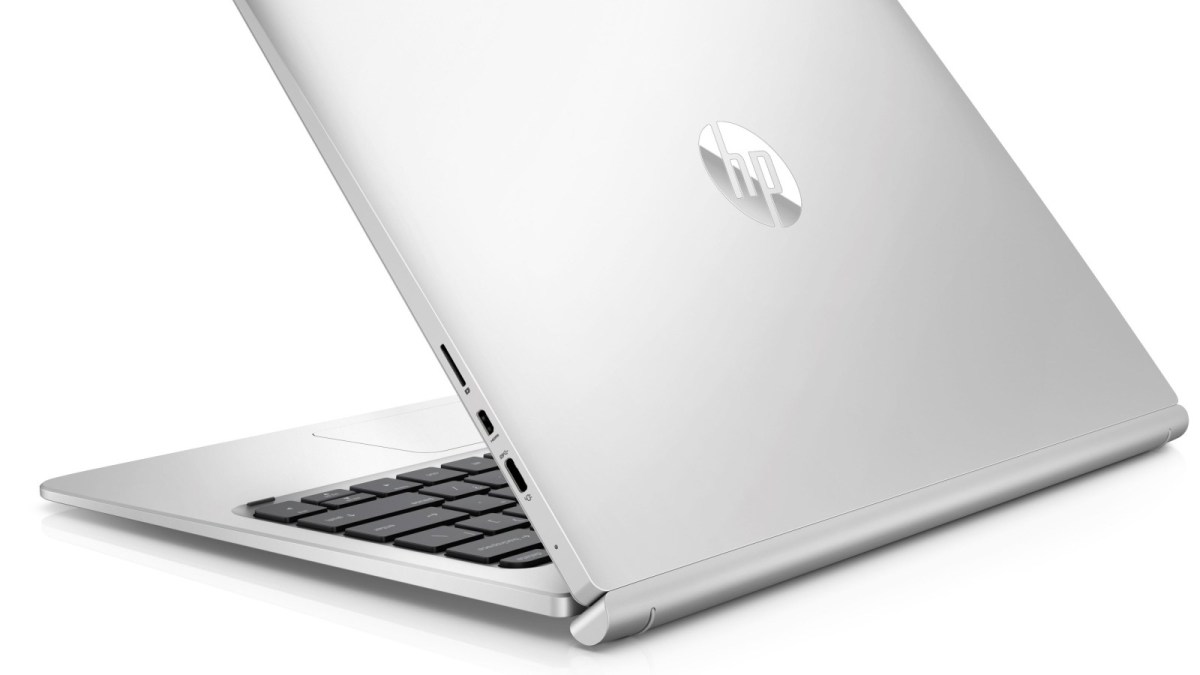
    Refurbished Laptop

    Modern users require systems that can handle multitasking and long usage hours without slowing down. Refurbished devices are optimized to deliver consistent output for continuous digital performance across various environments.

    Common Usage Scenarios

    • Office productivity and documentation tasks
    • Online meetings and virtual collaboration
    • Cloud based applications and storage access
    • Web browsing and communication tools
    • Multimedia streaming and content usage

    With stable configurations, these devices help ensure uninterrupted workflow throughout the day.

    Performance Features That Ensure Reliability

    Refurbished devices are carefully evaluated to maintain strong performance standards. Optimization processes help enhance speed, responsiveness, and overall usability.

    Important Performance Elements

    • Efficient processing for multitasking needs
    • Stable memory and storage systems
    • Smooth application performance under load
    • Reliable connectivity for online operations
    • Consistent system responsiveness over time

    These features support users who rely on continuous digital engagement for work or study.

    Cost Effective and Practical Digital Solution

    One of the strongest benefits of refurbished devices is their affordability combined with dependable performance. They allow users to access high quality technology while maintaining budget efficiency.

    Financial Benefits Include

    • Lower purchase cost compared to new devices
    • Reduced maintenance and upgrade expenses
    • Extended usability through proper refurbishment
    • Better value for long term usage
    • Efficient allocation of technology budgets

    This makes refurbished devices a smart solution for cost conscious users and growing businesses. Comparing different models is simpler using information from https://www.asbascomputers.nl/blog/Beste-laptop-kiezen.

    Supporting Sustainable Digital Practices

    Refurbished devices contribute significantly to environmental sustainability by extending the life cycle of existing electronics. This reduces waste and promotes responsible technology usage.

    Sustainability Benefits22

    • Reduction in electronic waste generation
    • Lower demand for new hardware production
    • Efficient reuse of existing components
    • Support for eco friendly digital ecosystems
    • Contribution to sustainable technology practices

    These advantages help align digital performance needs with environmental responsibility.

    The Future of Reliable Computing

    As digital dependency continues to grow, the demand for stable and efficient devices will increase. Refurbished devices will play an important role in providing accessible and reliable computing solutions for future users.

    By combining performance, affordability, and sustainability, refurbished devices offer a strong foundation for continuous digital operations. They empower users to stay productive, connected, and efficient in an increasingly technology driven world.

  • Health

    Fractional Laser Skin Rejuvenation: What It Actually Does (and What You’ll See in the Mirror)

    Fractional laser resurfacing is one of those treatments people describe like it’s magic. It isn’t. But when it’s done well, on the right skin, with sane settings and good aftercare, it can be ridiculously effective.

    One line version: it makes thousands of tiny, controlled injuries so your skin rebuilds itself cleaner and tighter.


     So what is fractional laser, really?

    Picture a lawn being aerated. Not the most glamorous image, but it’s accurate.

    Fractional lasers treat skin in a pixelated pattern: microscopic zones of heat (or heat + ablation) arranged in a grid, with untouched skin in between. That “untreated” tissue is the whole trick, because it acts like a healing reservoir and shortens recovery compared to older full-field resurfacing. If you’re comparing fractional laser skin rejuvenation options, this distinction matters a lot.

    Two big families:

    Non-ablative fractional: heats the dermis while leaving most of the surface intact. Less downtime, subtler results per session.

    Ablative fractional: removes tiny columns of skin and heats deeper tissue. More downtime, more payoff, higher risk if you push it.

    Now, this won’t apply to everyone, but if you want meaningful texture change, you usually end up somewhere on the “more aggressive settings, fewer sessions” side or “gentler settings, more sessions.” There’s no free lunch.


     Microthermal columns: the nerdy explanation (because it matters)

    Fractional devices create microthermal zones (also called microthermal columns). A laser pulse delivers energy into narrow vertical channels. The immediate result is controlled thermal damage. The delayed result is the part you’re paying for: wound healing and collagen remodeling.

    Here’s the sequence in plain terms:

    1. Heat disrupts old collagen (collagen denatures quickly when heated).
    2. Inflammatory signals recruit repair cells.
    3. Fibroblasts get to work, laying down new collagen and reorganizing the extracellular matrix over weeks.
    4. Skin gradually looks smoother, pores look tighter, fine lines soften.

    The variables that change everything: energy, density (how many “pixels” per area), pulse duration, and depth. Turn any of those up and results can improve, but so can downtime and pigment risk.

    Look, this is why provider skill isn’t optional. Same machine, same patient, different hands, different outcome.


     “Will my pores shrink?” Texture, tone, pores (with realistic timelines)


     Texture: the one that tends to impress people

    Texture changes are often the first thing patients notice. Not instantly, though. Skin can feel rough or sandpapery for a bit, then it flips.

    Most people see a real bump in smoothness around 4, 8 weeks, when collagen remodeling starts to show up in normal lighting (not just bathroom lighting where everything looks either amazing or terrible).

    One-line truth:

    Your best “after” isn’t at day 7. It’s later.


     Tone: slower, more subtle, and sometimes finicky

    Uneven tone, sun spots, mild mottling, often improves across a series, especially when paired with good pigment management. Some people get noticeable brightening early; others need multiple sessions before they stop zooming in and complaining.

    If pigment is your main concern and your skin tans easily, you need conservative settings and a provider who treats darker skin regularly. Post-inflammatory hyperpigmentation isn’t rare when people get careless.


     Pores: yes… but manage expectations

    Fractional lasers can make pores look smaller because collagen support around follicular openings improves and the surface becomes more even. But pores don’t “erase.” I’ve seen great improvement in oily, thick skin, and just modest change in thin or very sun-damaged skin.


     During the session: what it feels like (not the brochure version)

    Most patients describe it as quick, sharp heat, like repeated snaps from a rubber band, plus a lingering sunburn feeling afterward. Topical anesthetic and cooling help a lot, but ablative fractional can still be spicy.

    You’re awake. The clinician watches skin response closely and adjusts passes and settings. If someone is treating aggressively and not paying attention to skin reaction, that’s a bad sign.

    Afterward: redness and swelling are common. Sometimes you’ll get pinpoint crusting. If you’re doing deeper ablative work, expect more of everything.


     How many treatments do you need?

    Typical course: 3, 4 sessions, spaced 3, 6 weeks apart. That’s the common real-world plan for mild-to-moderate texture issues.

    But it depends on the job:

    Fine lines / mild texture: often ~3 sessions non-ablative, or fewer if using ablative fractional conservatively

    Acne scars / deeper wrinkles: more sessions, or higher intensity, or both

    Maintenance: many people do a touch-up every 6, 18 months (not mandatory, but common)

    Also: your skin keeps remodeling after the last session. People forget this and judge results too early.


     Aftercare: the part that determines whether you glow or regret it

    Here’s the thing, fractional laser is half procedure, half compliance.

    For the first few days, think calm, clean, protected.

    Practical aftercare that usually works well:

    – Gentle cleanser, lukewarm water, pat dry

    – Thick, boring moisturizer (ceramides are your friend)

    – No scrubs, acids, retinoids, or “active” serums until cleared

    – Avoid heat spikes: hot yoga, saunas, hard cardio (at least a couple days)

    – Sun avoidance like it’s your job; mineral SPF once skin allows it

    Don’t pick. Don’t “help” flakes. I know it’s satisfying. It also buys you redness and pigment.


     Side effects: normal vs “call the office”

    Normal-ish: redness, swelling, mild burning, tightness, sandpaper texture, tiny crusts. These usually fade over days (sometimes longer with stronger treatments).

    Call your clinician if you get:

    – Increasing pain after day 2, 3

    – Spreading redness, pus, fever

    – Blisters or worsening swelling

    – Darkening patches that keep intensifying instead of fading

    One more caveat (because people love forgetting): if you have a history of cold sores and you’re treating around the mouth, ask about antiviral prophylaxis. Don’t gamble.


     A quick “is this for me?” gut-check

    I’m going to be blunt: fractional lasers are great for improvement, not reinvention. If you want lifting, major skin tightening, or to look 15 years younger by next week, you’ll be disappointed and probably angry.

    Fractional laser tends to be a strong fit if you care about:

    – Fine lines, early wrinkles

    – Rough texture, enlarged pores

    – Mild sun damage, uneven tone

    – Some acne scarring (especially when combined with other scar treatments)

    You should slow down and plan carefully if you:

    – Tan easily or have a history of hyperpigmentation

    – Are recently on isotretinoin (Accutane) or have impaired healing

    – Have active infection, dermatitis flare, or unrealistic downtime tolerance


     One solid data point (because anecdotes aren’t everything)

    A review in Dermatologic Surgery reported that fractional photothermolysis improved photodamage and texture with fewer adverse effects and shorter downtime than traditional full-field ablative resurfacing in appropriately selected patients. Source: Manstein et al., foundational work and subsequent clinical reviews in Dermatologic Surgery (fractional photothermolysis literature).

    (Translation: the “fractional” concept is not hype, it’s a legitimately safer way to resurface for many people, when used responsibly.)


     My take, after seeing a lot of outcomes

    Fractional laser is one of the best “quiet improvement” tools in aesthetic medicine. When it’s done conservatively and repeated appropriately, people look fresher without looking “done.” When it’s overcooked, or performed on the wrong skin type, it can cause pigment problems that take longer to fix than the original issue.

    Good settings. Good candidate selection. Great aftercare.

    That’s the formula.

  • Automobile

    Best Muscle Cars List Featuring Powerful Legendary Models

    Muscle cars have always represented a thrilling blend of raw strength, bold styling, and high-speed excitement. These powerful machines are designed to deliver an unforgettable driving experience, combining aggressive performance with unmistakable road presence. From roaring engines to dynamic handling, they continue to attract automotive enthusiasts who appreciate power-focused engineering. Fans often admire the ford muscle cars list for its iconic models and timeless appeal. Their legacy lives on through both classic inspirations and modern interpretations that emphasize speed, control, and style. Every model in this category reflects a passion for performance-driven design and a commitment to delivering pure driving enjoyment on every road.

    Iconic High-Performance Classics

    Classic muscle-style performance machines are celebrated for their bold character and mechanical simplicity, which together create a pure and engaging driving feel.

    • Classic front-engine V8 coupe known for deep exhaust notes and strong acceleration
    • Lightweight drag-inspired street machine built for straight-line dominance
    • Long-hood rear-drive performance coupe offering balanced power delivery
    • Wide-body muscle icon designed for enhanced grip and stability at speed
    • Vintage grand touring performance machine combining comfort with raw strength

    These legendary-style builds stand out for their unmistakable road presence, timeless appeal, and ability to deliver thrilling performance with minimal electronic intervention. Their focus on mechanical power and straightforward design continues to inspire modern automotive engineering.

    Engineering Highlights of Muscle Performance

    Ford Muscle Cars

    The success of muscle-style cars comes from carefully balanced engineering that prioritizes strength and speed.

    • High-displacement engines delivering strong torque output for rapid acceleration
    • Rear-wheel drive layouts enhancing driving engagement and control
    • Aerodynamic enhancements improving stability during high-speed runs
    • Reinforced chassis structures designed for durability under stress
    • Precision performance tuning optimizing power delivery and responsiveness

    These elements work together to create a driving experience that feels powerful yet controlled, making every acceleration moment more exciting and confident.

    Modern Power Icons

    Contemporary interpretations of muscle-inspired performance continue to push boundaries with advanced technology and refined power delivery.

    • Modern aggressive performance coupe with enhanced aerodynamic design
    • Supercharged muscle-style machine offering instant throttle response
    • Turbocharged high-output coupe combining efficiency with thrilling speed
    • Advanced traction-controlled performance car ensuring stability under pressure
    • Smart performance systems delivering balanced handling across conditions

    These modern machines retain the spirit of traditional muscle performance while introducing cutting-edge improvements that elevate comfort, safety, and control.

    Why Enthusiasts Love Muscle Performance Cars

    Enthusiasts are drawn to these powerful machines for their emotional connection and adrenaline-filled driving experience. The combination of explosive acceleration, deep engine sound, and bold design creates an unmatched sense of excitement. Their commanding road presence and strong character make them stand out in any setting. Beyond performance, they symbolize freedom, individuality, and pure driving passion. This lasting appeal ensures that muscle-style performance vehicles remain a favorite among those who value power, style, and unforgettable driving thrills.

  • Games

    Apex Legends Sees Positive Growth After Reducing Hacker Activity

    Competitive multiplayer gaming thrives on fairness, and recent improvements in anti-cheat efforts have sparked a noticeable resurgence in player enthusiasm. By significantly reducing hacker activity, this popular battle royal experience is seeing renewed engagement, stronger community trust, and a healthier competitive environment.

    A Cleaner, Fairer Battlefield

    One of the most impactful changes has been the visible decline in unfair gameplay advantages. Players are reporting more balanced matches and fewer frustrating encounters, which has helped restore confidence in the overall experience.

    • Matches feel more skill-based and rewarding
    • Reduced instances of suspicious gameplay behavior
    • Greater consistency in competitive outcomes
    • Improved trust between players and developers

    Increased Player Engagement

    Apex Legends

    With fairness restored, more players are returning to the game and spending longer sessions exploring its features. The improved environment has encouraged both new and returning players to invest time in improving their skills. Smart positioning during intense battles often provides an advantage similar to an Apex Cheat, but achieved entirely through skill.

    • Higher daily player activity
    • Increased match completion rates
    • More consistent player retention over time
    • Growing interest from casual and competitive audiences

    Positive Community Sentiment

    The community response has shifted in a notably positive direction. Discussions are increasingly focused on strategy, teamwork, and gameplay highlights rather than complaints about unfair practices. Game knowledge and awareness often outperform any perceived advantage offered by an Apex Hack.

    • More constructive conversations across forums and social spaces
    • Increased sharing of gameplay tips and achievements
    • Greater sense of community collaboration
    • Reduced negativity in player feedback

    Enhanced Competitive Integrity

    Competitive modes benefit the most from reduced hacker activity. Players can now rely on rankings and performance metrics as accurate reflections of skill.

    • Rankings feel more legitimate and meaningful
    • Fair matchmaking enhances competition
    • Increased participation in ranked modes
    • Greater motivation to improve individual performance

    Encouragement for Skill Development

    With fewer unfair obstacles, players are more motivated to refine their abilities. The game becomes a space where improvement is clearly tied to effort and practice.

    • Players focus on strategy, positioning, and teamwork
    • Skill progression feels more transparent
    • Learning curve becomes more engaging
    • Increased satisfaction from personal achievements

    Long-Term Growth Outlook

    The reduction in hacking has laid a strong foundation for sustained growth. A fair environment not only retains existing players but also attracts new ones who value integrity in competitive gaming.

    • Stronger player loyalty and long-term engagement
    • Increased appeal for newcomers
    • Better reputation within the gaming community
    • Potential for expanded competitive events

    Continuous Improvements Ahead

    Ongoing efforts to maintain fairness will likely keep the momentum going. Regular updates and monitoring ensure that the gaming experience remains enjoyable and competitive.

    • Continued refinement of anti-cheat systems
    • Faster response to emerging issues
    • Commitment to maintaining fair play standards
    • Ongoing communication with the player base

    A More Enjoyable Experience Overall

    The combination of fairness, engagement, and positive community energy has transformed the overall experience. Players are rediscovering what made the game exciting in the first place.

    • More immersive and enjoyable matches
    • Stronger sense of achievement
    • Balanced gameplay for all skill levels
    • Renewed excitement for future updates

    The reduction of hacker activity has proven to be a turning point, driving positive growth and reinforcing the importance of fairness in multiplayer gaming.

  • Shopping

    Choose heavy duty hinges for secure and dependable door functionality

    Heavy duty hinges play a crucial role in ensuring strong, stable, and long-lasting door performance in residential, commercial, and industrial environments. These robust components are designed to handle increased weight and frequent usage without compromising alignment or smooth movement. Choosing the right hinges enhances safety, durability, and overall door efficiency, making them an essential part of modern construction and infrastructure.

    With increasing demand for durable building components, heavy duty hinges have become a preferred choice for architects, engineers, and builders. Their ability to support continuous operation while maintaining structural integrity ensures long-term value. They also contribute to noise reduction, better door control, and improved safety in high-use environments.

    Why Choose Heavy Duty Hinges

    Selecting heavy duty hinges ensures improved performance and long-term reliability for all types of doors:

    • Enhanced load-bearing capacity for heavy doors and gates
    • Smooth and silent operation with reduced friction
    • Long-lasting durability even under frequent usage
    • Improved safety and structural stability
    • Resistance to wear, rust, and environmental stress

    Key Advantages for Modern Installations

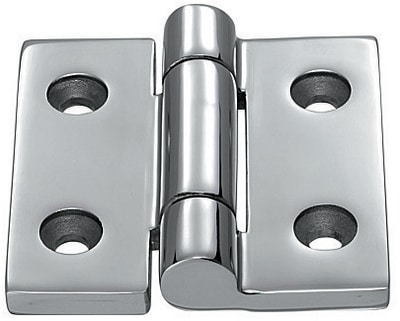
    Heavy Duty Hinges

    Heavy duty hinges are widely preferred in modern architectural and construction projects due to their ability to support heavy structures while maintaining effortless functionality. They contribute to better door alignment, reduced maintenance needs, and improved user experience across high-traffic environments.

    Modern installations benefit greatly from hinges that deliver stability under pressure and reduce wear over time. Their engineering ensures consistent alignment even in demanding conditions, making them ideal for environments requiring frequent opening and closing cycles.

    Common Applications

    These hinges are suitable for a wide range of applications where strength and reliability are essential:

    • Industrial doors and warehouse entrances
    • Commercial buildings and office spaces
    • Residential main doors and gates
    • Heavy equipment enclosures and secure areas
    • Public infrastructure and utility access points

    From security-focused installations to everyday access points, these hinges ensure reliable movement and structural support. Many construction systems integrate https://www.kunlonghardware.com/heavy-duty-hinges/ for secure operation. Their adaptability makes them suitable for both new construction projects and renovation upgrades, offering long-term performance benefits.

    Essential Features to Consider

    Choosing the right heavy duty hinges involves evaluating key features that ensure long-term efficiency and reliability. Material quality, load capacity, finish, and installation precision all play an important role in delivering optimal performance.

    Advanced hinge designs also provide improved load distribution and smoother motion over extended usage. This helps minimize maintenance requirements and extends the lifespan of doors and frames significantly.

    Long-Term Value and Performance Benefits

    Investing in heavy duty hinges ensures long-term operational efficiency and dependable performance across various environments. Their robust construction minimizes the risk of sagging, misalignment, and frequent repairs, making them a cost-effective solution over time. These hinges also enhance overall user satisfaction by ensuring smooth operation even under heavy loads. With proper installation, they contribute significantly to structural stability and safety, supporting consistent performance in both commercial and residential applications.

    Overall, they represent a reliable choice for enhancing door strength, security, and long-term usability.


  • Business

    Designing for Print: The Right Way to Set Up Custom Credit Card Designs

    Thinking of creating a custom card design? If you want those cards to look sharp, last long, and print perfectly, you need more than just a pretty layout. Let’s break down the essentials without making you slog through endless walls of text.

    What Size Should Your Card Be?

    Let’s start with the basics: size matters!

     Standard Credit Card Dimensions:

       Width: 85.60 mm (3.375 inches)

       Height: 53.98 mm (2.125 inches)

       Thickness: About 0.76 mm (think: sturdy but not brickthick)

     Why stick to these numbers?

    Because wallets, card readers, and printers are all expecting this size. If you go offscript, you’ll end up with cards that don’t fit or scan properly. If you want a deeper dive into the specifics, check out what are credit card dimensions.

     Pro Tip:

    Some regions use slightly different sizes, but most printers and customers expect the standard. When in doubt, ask your printer!

    Metal Business Cards

    Bleeds, Safe Zones & Margins: What’s the Deal?

    You might be tempted to put your text right up against the edge. Don’t!

    Here’s what you need to know:

     Bleed:

     Add 3 mm (about 0.125 inches) of extra image area around all edges.

     Why? So you don’t get weird white lines if the cutter is a smidge off.

     Safe Zone:

     Keep all important stuff like text and logos at least 0.125 inches inside the trim line.

     This ensures nothing crucial gets sliced off.

     Margins:

     Think of this as the “nogo” zone outside your safe area but inside the bleed.

     It’s your insurance against printing hiccups.

    Quick Visual Guide:

    “`

    | BLEED || MARGIN (SAFE ZONE) || TRIM LINE || MARGIN (SAFE ZONE) || BLEED |

    “`

     Always ask for a template file from your printer they usually have one!

    Corners & Edges: Not Just for Looks

    Ever notice how a card’s corners feel in your hand? That’s no accident.

     Corner Radius:

     Standard is about 3.18 mm (1/8 inch).

     Too sharp = pokey and prone to damage.

     Too round = looks like a toy.

     Edge Treatments:

     Rounded edges resist chipping and feel nicer.

     Some premium cards have beveled or microedged sides for that “wow” factor.

     Material Choices:

     Different card stocks bend and wear differently.

     Stiffer = feels more expensive but watch out for cracking near corners.

    Ink & Finishes: Get the Look You Want

    Not all finishes are created equal.

     Glossy:

     Shiny, vibrant colors, but can glare and show fingerprints.

     Matte:

     Smooth, nonreflective. Great for legibility, but colors might look a tad muted.

     Satin:

     Somewhere in between. A nice, modern compromise.

     Finishing Touches:

     Spot UV, embossing, foil, and laminates can add texture and flair just make sure they line up with your design and brand vibe.

    Prepping Your Artwork Like a Pro

    Don’t let a rookie mistake ruin your hard work! Here’s how to prep for print:

     File Setup:

     Resolution: 300 DPI (dots per inch) for crisp printing.

     Color: CMYK mode, not RGB.

     File Types: PDF, AI, or PSD are usually safe bets.

     Fonts:

     Embed or outline fonts so nothing changes on the printer’s end.

     Layers & Effects:

     Flatten transparencies if your printer asks for it.

     Doublecheck that all effects (like shadows or overlays) look right in CMYK.

     Proofing:

     Always request a PDF proof and, if possible, a printed sample.

    The Ultimate PrePrint Checklist

    Before you hit “send,” run through this:

    1. Trim size, bleed, and safe zone set correctly?
    2. Text and logos inside the safe zone?
    3. All colors in CMYK?
    4. Fonts embedded or outlined?
    5. Resolution at 300 DPI?
    6. No weird marks, stray lines, or hidden layers?
    7. Both sides (if applicable) are lined up and mirrored as needed?
    8. Special finishes or effects clearly noted for the printer?
    9. Proofed the file onscreen and (if possible) in print?
    10. Saved a backup of the final version?

    Final Thoughts

    Print design isn’t just about making something pretty it’s about making sure your vision survives the journey from screen to physical card. Pay attention to sizing, bleeds, corners, and file setup, and you’ll avoid costly mistakes.

    Happy designing! And remember, when in doubt, ask your printer they’ve seen it all.