• Travel

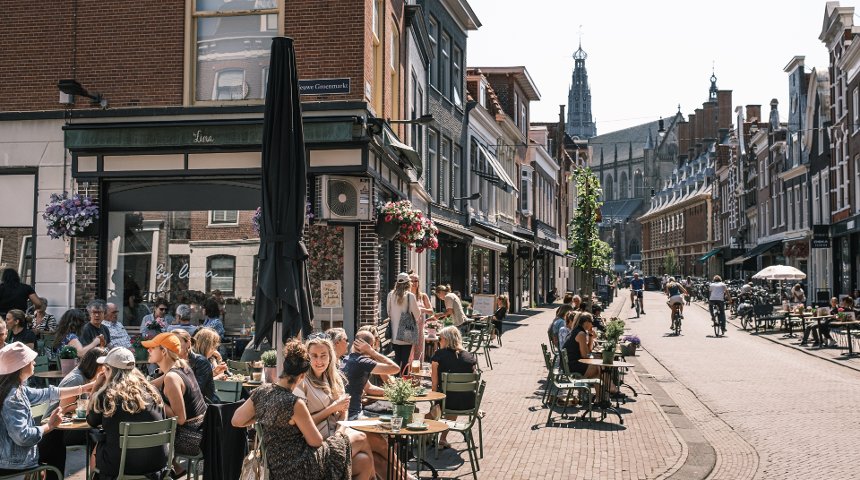
    A Peaceful Atmosphere Makes Outdoor Meals More Enjoyable Every Time

    Outdoor dining creates a refreshing experience that blends delicious meals with calm surroundings. Gentle breezes, natural lighting, and comfortable seating make every moment feel more relaxing and memorable. A peaceful atmosphere allows people to slow down, enjoy conversations, and fully appreciate the flavors served at the table. Dining outside often feels more enjoyable because the environment adds warmth, freshness, and comfort to the overall experience.

    Fresh Air Adds Comfort to Every Meal

    Clean outdoor surroundings can make meals feel lighter and more pleasant. Natural airflow and open spaces help create a calm setting that encourages relaxation.

    Benefits of Fresh Outdoor Dining

    • Encourages a calm and cheerful mood
    • Creates a more comfortable dining experience
    • Makes social gatherings feel warm and inviting
    • Adds freshness to every bite and beverage
    • Helps guests feel more connected to nature

    Many people enjoy spending time outdoors because it provides a peaceful break from crowded indoor spaces. Comfortable seating, soft lighting, and greenery can instantly improve the atmosphere and make dining more enjoyable.

    Calm Surroundings Improve Conversations

    Modern Rooftop Dining

    Quiet outdoor settings often make conversations more meaningful. Family members and friends can speak comfortably while enjoying food in a stress free environment.

    Features That Enhance Relaxation

    • Soft background sounds from nature
    • Open seating arrangements with good spacing
    • Pleasant evening air and natural scenery
    • Comfortable furniture with cozy designs
    • Decorative plants and warm lighting elements

    These details work together to create a welcoming atmosphere where guests can focus on enjoying their meals without distractions. Many diners appreciate spaces that offer comfort while maintaining a peaceful environment.

    Natural Beauty Enhances Dining Experiences

    Outdoor meals become more memorable when surrounded by attractive scenery. Green plants, fresh flowers, and open skies create a visually pleasing setting that feels refreshing and elegant. People often choose peaceful dining environments because they encourage relaxation and happiness. A carefully designed outdoor space can turn a simple meal into a delightful experience filled with comfort and positivity. Many visitors appreciate locations where Terras Haarlem style seating blends natural beauty with comfortable arrangements that encourage longer and more enjoyable meals.

    Outdoor Dining Encourages Positive Feelings

    Spending time in open air environments can improve overall enjoyment during meals. Calm surroundings often help people feel happier and more refreshed throughout their dining experience.

    Reasons Guests Prefer Peaceful Outdoor Spaces

    • Comfortable environments reduce stress
    • Open spaces feel welcoming and relaxing
    • Natural lighting creates a pleasant atmosphere
    • Fresh surroundings improve dining satisfaction
    • Relaxed settings encourage longer visits

    Outdoor dining also creates opportunities to enjoy special moments with loved ones. Whether during daylight hours or under a peaceful evening sky, the atmosphere adds charm and comfort to every gathering.

    Memorable Moments Are Created Naturally

    A peaceful outdoor setting can transform ordinary meals into enjoyable experiences filled with comfort and positivity. Calm surroundings, fresh air, and relaxing scenery all contribute to making meals feel more special. Guests often leave feeling refreshed, satisfied, and eager to return for another enjoyable outdoor dining experience.

  • Technology

    Reliable Refurbished Devices for Continuous Digital Performance

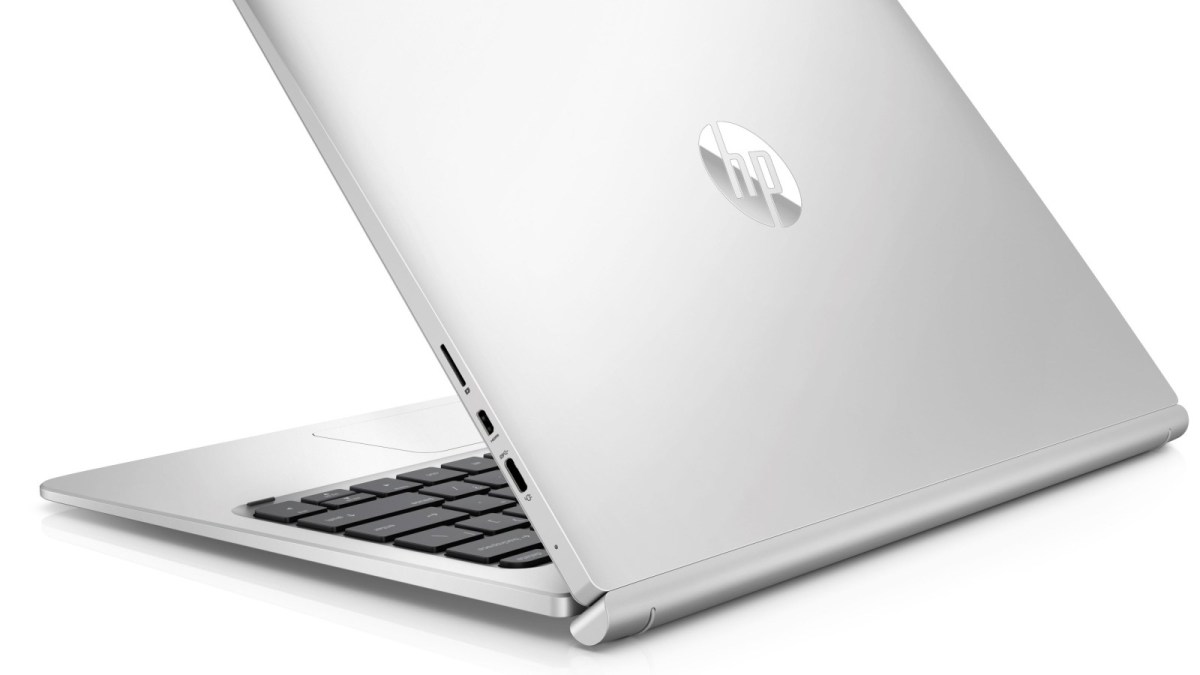
    Reliable refurbished devices are becoming a preferred solution for users who need consistent digital performance without high costs. These devices are carefully inspected, restored, and optimized to deliver smooth functionality across everyday computing tasks, professional workloads, and remote operations. In today’s fast paced digital environment, they provide a practical balance of affordability, stability, and efficiency.

    Refurbished devices are not just cost saving alternatives; they are performance driven systems designed to support continuous usage with dependable results.

    Why Refurbished Devices Are Trusted for Daily Use

    Refurbished devices undergo structured testing and quality checks to ensure they perform reliably under regular workloads. This makes them suitable for users who depend on uninterrupted digital access.

    Key Advantages Include

    • Stable performance after thorough inspection and restoration
    • Affordable access to high quality computing systems
    • Reduced electronic waste and improved sustainability
    • Compatibility with modern software and applications
    • Dependable operation for long working hours

    These advantages make refurbished devices an excellent choice for both individuals and organizations.

    Designed for Continuous Digital Performance

    Refurbished Laptop

    Modern users require systems that can handle multitasking and long usage hours without slowing down. Refurbished devices are optimized to deliver consistent output for continuous digital performance across various environments.

    Common Usage Scenarios

    • Office productivity and documentation tasks
    • Online meetings and virtual collaboration
    • Cloud based applications and storage access
    • Web browsing and communication tools
    • Multimedia streaming and content usage

    With stable configurations, these devices help ensure uninterrupted workflow throughout the day.

    Performance Features That Ensure Reliability

    Refurbished devices are carefully evaluated to maintain strong performance standards. Optimization processes help enhance speed, responsiveness, and overall usability.

    Important Performance Elements

    • Efficient processing for multitasking needs
    • Stable memory and storage systems
    • Smooth application performance under load
    • Reliable connectivity for online operations
    • Consistent system responsiveness over time

    These features support users who rely on continuous digital engagement for work or study.

    Cost Effective and Practical Digital Solution

    One of the strongest benefits of refurbished devices is their affordability combined with dependable performance. They allow users to access high quality technology while maintaining budget efficiency.

    Financial Benefits Include

    • Lower purchase cost compared to new devices
    • Reduced maintenance and upgrade expenses
    • Extended usability through proper refurbishment
    • Better value for long term usage
    • Efficient allocation of technology budgets

    This makes refurbished devices a smart solution for cost conscious users and growing businesses. Comparing different models is simpler using information from https://www.asbascomputers.nl/blog/Beste-laptop-kiezen.

    Supporting Sustainable Digital Practices

    Refurbished devices contribute significantly to environmental sustainability by extending the life cycle of existing electronics. This reduces waste and promotes responsible technology usage.

    Sustainability Benefits22

    • Reduction in electronic waste generation
    • Lower demand for new hardware production
    • Efficient reuse of existing components
    • Support for eco friendly digital ecosystems
    • Contribution to sustainable technology practices

    These advantages help align digital performance needs with environmental responsibility.

    The Future of Reliable Computing

    As digital dependency continues to grow, the demand for stable and efficient devices will increase. Refurbished devices will play an important role in providing accessible and reliable computing solutions for future users.

    By combining performance, affordability, and sustainability, refurbished devices offer a strong foundation for continuous digital operations. They empower users to stay productive, connected, and efficient in an increasingly technology driven world.

  • Health

    Fractional Laser Skin Rejuvenation: What It Actually Does (and What You’ll See in the Mirror)

    Fractional laser resurfacing is one of those treatments people describe like it’s magic. It isn’t. But when it’s done well, on the right skin, with sane settings and good aftercare, it can be ridiculously effective.

    One line version: it makes thousands of tiny, controlled injuries so your skin rebuilds itself cleaner and tighter.


     So what is fractional laser, really?

    Picture a lawn being aerated. Not the most glamorous image, but it’s accurate.

    Fractional lasers treat skin in a pixelated pattern: microscopic zones of heat (or heat + ablation) arranged in a grid, with untouched skin in between. That “untreated” tissue is the whole trick, because it acts like a healing reservoir and shortens recovery compared to older full-field resurfacing. If you’re comparing fractional laser skin rejuvenation options, this distinction matters a lot.

    Two big families:

    Non-ablative fractional: heats the dermis while leaving most of the surface intact. Less downtime, subtler results per session.

    Ablative fractional: removes tiny columns of skin and heats deeper tissue. More downtime, more payoff, higher risk if you push it.

    Now, this won’t apply to everyone, but if you want meaningful texture change, you usually end up somewhere on the “more aggressive settings, fewer sessions” side or “gentler settings, more sessions.” There’s no free lunch.


     Microthermal columns: the nerdy explanation (because it matters)

    Fractional devices create microthermal zones (also called microthermal columns). A laser pulse delivers energy into narrow vertical channels. The immediate result is controlled thermal damage. The delayed result is the part you’re paying for: wound healing and collagen remodeling.

    Here’s the sequence in plain terms:

    1. Heat disrupts old collagen (collagen denatures quickly when heated).
    2. Inflammatory signals recruit repair cells.
    3. Fibroblasts get to work, laying down new collagen and reorganizing the extracellular matrix over weeks.
    4. Skin gradually looks smoother, pores look tighter, fine lines soften.

    The variables that change everything: energy, density (how many “pixels” per area), pulse duration, and depth. Turn any of those up and results can improve, but so can downtime and pigment risk.

    Look, this is why provider skill isn’t optional. Same machine, same patient, different hands, different outcome.


     “Will my pores shrink?” Texture, tone, pores (with realistic timelines)


     Texture: the one that tends to impress people

    Texture changes are often the first thing patients notice. Not instantly, though. Skin can feel rough or sandpapery for a bit, then it flips.

    Most people see a real bump in smoothness around 4, 8 weeks, when collagen remodeling starts to show up in normal lighting (not just bathroom lighting where everything looks either amazing or terrible).

    One-line truth:

    Your best “after” isn’t at day 7. It’s later.


     Tone: slower, more subtle, and sometimes finicky

    Uneven tone, sun spots, mild mottling, often improves across a series, especially when paired with good pigment management. Some people get noticeable brightening early; others need multiple sessions before they stop zooming in and complaining.

    If pigment is your main concern and your skin tans easily, you need conservative settings and a provider who treats darker skin regularly. Post-inflammatory hyperpigmentation isn’t rare when people get careless.


     Pores: yes… but manage expectations

    Fractional lasers can make pores look smaller because collagen support around follicular openings improves and the surface becomes more even. But pores don’t “erase.” I’ve seen great improvement in oily, thick skin, and just modest change in thin or very sun-damaged skin.


     During the session: what it feels like (not the brochure version)

    Most patients describe it as quick, sharp heat, like repeated snaps from a rubber band, plus a lingering sunburn feeling afterward. Topical anesthetic and cooling help a lot, but ablative fractional can still be spicy.

    You’re awake. The clinician watches skin response closely and adjusts passes and settings. If someone is treating aggressively and not paying attention to skin reaction, that’s a bad sign.

    Afterward: redness and swelling are common. Sometimes you’ll get pinpoint crusting. If you’re doing deeper ablative work, expect more of everything.


     How many treatments do you need?

    Typical course: 3, 4 sessions, spaced 3, 6 weeks apart. That’s the common real-world plan for mild-to-moderate texture issues.

    But it depends on the job:

    Fine lines / mild texture: often ~3 sessions non-ablative, or fewer if using ablative fractional conservatively

    Acne scars / deeper wrinkles: more sessions, or higher intensity, or both

    Maintenance: many people do a touch-up every 6, 18 months (not mandatory, but common)

    Also: your skin keeps remodeling after the last session. People forget this and judge results too early.


     Aftercare: the part that determines whether you glow or regret it

    Here’s the thing, fractional laser is half procedure, half compliance.

    For the first few days, think calm, clean, protected.

    Practical aftercare that usually works well:

    – Gentle cleanser, lukewarm water, pat dry

    – Thick, boring moisturizer (ceramides are your friend)

    – No scrubs, acids, retinoids, or “active” serums until cleared

    – Avoid heat spikes: hot yoga, saunas, hard cardio (at least a couple days)

    – Sun avoidance like it’s your job; mineral SPF once skin allows it

    Don’t pick. Don’t “help” flakes. I know it’s satisfying. It also buys you redness and pigment.


     Side effects: normal vs “call the office”

    Normal-ish: redness, swelling, mild burning, tightness, sandpaper texture, tiny crusts. These usually fade over days (sometimes longer with stronger treatments).

    Call your clinician if you get:

    – Increasing pain after day 2, 3

    – Spreading redness, pus, fever

    – Blisters or worsening swelling

    – Darkening patches that keep intensifying instead of fading

    One more caveat (because people love forgetting): if you have a history of cold sores and you’re treating around the mouth, ask about antiviral prophylaxis. Don’t gamble.


     A quick “is this for me?” gut-check

    I’m going to be blunt: fractional lasers are great for improvement, not reinvention. If you want lifting, major skin tightening, or to look 15 years younger by next week, you’ll be disappointed and probably angry.

    Fractional laser tends to be a strong fit if you care about:

    – Fine lines, early wrinkles

    – Rough texture, enlarged pores

    – Mild sun damage, uneven tone

    – Some acne scarring (especially when combined with other scar treatments)

    You should slow down and plan carefully if you:

    – Tan easily or have a history of hyperpigmentation

    – Are recently on isotretinoin (Accutane) or have impaired healing

    – Have active infection, dermatitis flare, or unrealistic downtime tolerance


     One solid data point (because anecdotes aren’t everything)

    A review in Dermatologic Surgery reported that fractional photothermolysis improved photodamage and texture with fewer adverse effects and shorter downtime than traditional full-field ablative resurfacing in appropriately selected patients. Source: Manstein et al., foundational work and subsequent clinical reviews in Dermatologic Surgery (fractional photothermolysis literature).

    (Translation: the “fractional” concept is not hype, it’s a legitimately safer way to resurface for many people, when used responsibly.)


     My take, after seeing a lot of outcomes

    Fractional laser is one of the best “quiet improvement” tools in aesthetic medicine. When it’s done conservatively and repeated appropriately, people look fresher without looking “done.” When it’s overcooked, or performed on the wrong skin type, it can cause pigment problems that take longer to fix than the original issue.

    Good settings. Good candidate selection. Great aftercare.

    That’s the formula.